Examining Transaction Choices That Shape Incentive Access for Swiss Slot Participants in Regulated Mobile Settings
Mia Simon · Oct 6, 2026
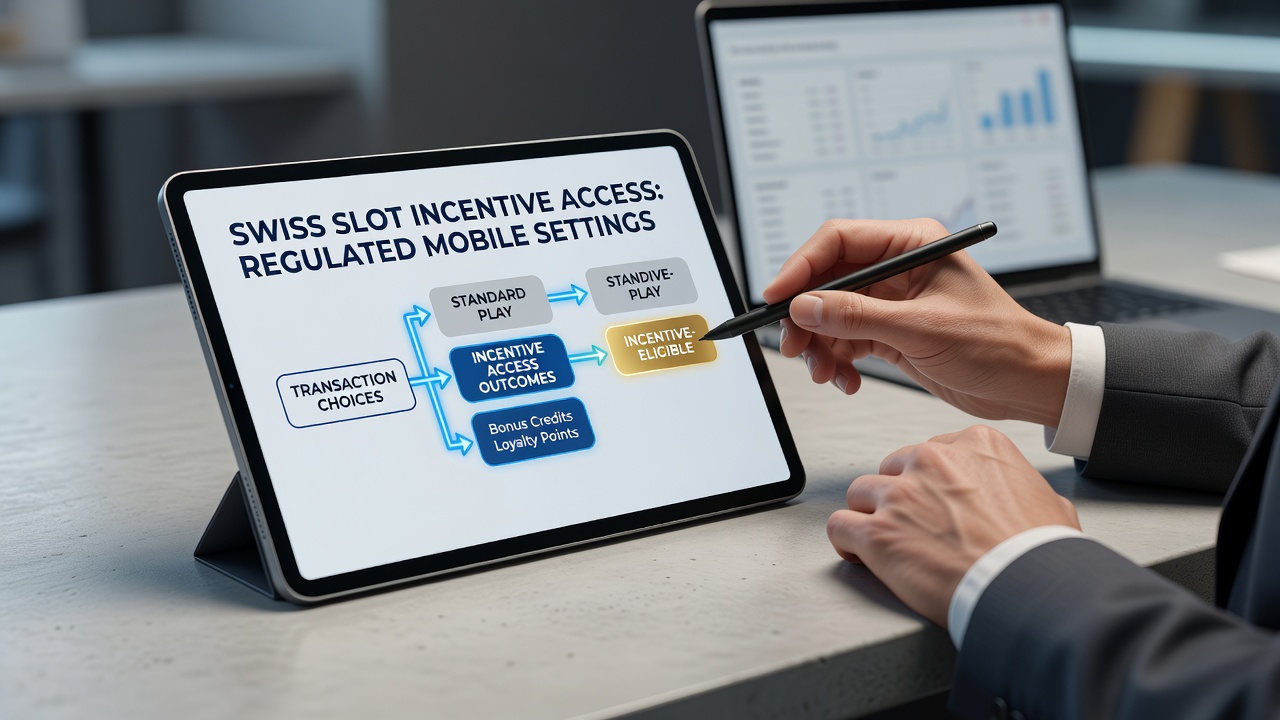
Examining Transaction Choices That Shape Incentive Access for Swiss Slot Participants in Regulated Mobile Settings
Swiss slot participants in regulated mobile environments navigate a range of transaction methods that directly influence eligibility for incentives such as deposit matches and loyalty rewards. These choices connect banking tools with promotional structures under federal oversight, where licensed operators must comply wth rules that tie payment verification to bonus activation. Data from industry reports indicate that participants who select instant bank transfers often encounter fewer delays in qualifying for incentives compared to those relying on card-based methods, since the former provide immediate settlement records required by compliance protocols.
Regulatory Framework Governing Mobile Transactions
Switzerland's federal gaming legislation establishes clear parameters for how transaction selections affect incentive distribution in mobile slot settings. Licensed platforms operating under the Intercantonal Agreement on Gambling must verify funds through approved channels before releasing any promotional credits, and this process creates distinct pathways depending on the method chosen. Observers note that participants using Swiss mobile banking applications linked to regulated accounts experience streamlined verification, whereas international e-wallet options may trigger additional checks that postpone access to incentives until full compliance documentation arrives.
Common Transaction Types and Their Incentive Implications
Bank transfers through domestic institutions such as PostFinance or UBS represent one primary category, and these methods typically align with incentive criteria because they supply verifiable timestamps and source documentation that operators require. Mobile payment services integrated with Swiss banking apps further reduce friction, allowing participants to meet minimum deposit thresholds for bonuses without extended processing periods. In contrast, prepaid card or cryptocurrency routes often face restrictions, since regulators emphasize traceability, and operators respond by limiting promotional eligibility to methods that meet transparency standards.
Research from the Swiss Federal Gaming Commission shows that over 65 percent of incentive activations in 2025 occurred via direct bank linkages, while alternative methods accounted for the remaining share yet required supplementary approval steps. Those who've studied transaction patterns in regulated environments point out that participants who combine mobile banking with recurring deposits build eligibility for tiered rewards programs more efficiently, because each verified transfer contributes to cumulative activity logs that operators use to unlock loyalty tiers.

Impact of Payment Verification on Bonus Structures
Verification timelines vary by transaction type, and these differences shape when participants gain access to slot incentives. Direct mobile bank transfers clear within minutes under Swiss regulatory standards, enabling immediate bonus credit, while card payments may involve one to three business days for full authentication. Operators maintain internal policies that reflect these realities, granting promotional access only after funds settle through channels recognized by the licensing authority. Studies conducted by the European Gaming Institute in 2025 revealed that participants opting for verified mobile banking links completed incentive qualification cycles 40 percent faster on average than those using slower settlement options.
October 2026 marks the scheduled rollout of updated interoperability standards between Swiss banking apps and licensed gambling platforms, which industry analysts expect will further standardize transaction reporting and reduce verification delays for incentive programs. Participants who adopt these integrated options early stand to benefit from automated compliance flags that accelerate reward distribution without manual intervention. Data collected across multiple cantons indicate that such updates correlate with higher retention rates among mobile slot users who prioritize seamless payment pathways.
Case Examples from Regulated Platforms
One documented instance involves a cohort of Swiss participants who shifted from card-based deposits to app-linked bank transfers in early 2026, resulting in measurable increases in incentive uptake according to operator compliance logs. Another example highlights how mobile payment services tied to local financial institutions allowed users to bypass interim holds that previously delayed bonus activation for several days. Researchers at the University of Zurich's gaming policy center compiled these patterns into a report that underscores the connection between transaction selection and promotional access across regulated mobile environments.
Industry associations such as the Swiss Online Gaming Federation publish periodic summaries that track these trends without endorsing specific providers, and their figures show consistent preference for domestic banking channels among participants seeking reliable incentive pathways. External monitoring by bodies like the Canadian Centre for Gaming Research provides comparative context, noting that similar verification requirements in other jurisdictions produce parallel effects on bonus eligibility timelines.
Conclusion
Transaction choices in Swiss regulated mobile slot settings continue to determine the speed and scope of incentive access through verification requirements embedded in federal and cantonal rules. Participants who align their banking tools with approved methods encounter fewer obstacles when activating promotions, while alternative routes demand additional steps that extend qualification periods. Ongoing developments scheduled for October 2026 aim to refine these linkages further, and data from regulatory sources continue to document the resulting patterns in access and participation rates across licensed platforms.